
Emergency Water Removal
Standing water pulled off tile, carpet and plank floors on a Peoria slab, day or night.
View service (623) 887-7014
Getting the water off the floor is only half the job. The other half is drying what soaked it up: drywall, baseboards, cabinets, carpet pad and the concrete slab. That is what structural drying does.
Peoria Water Damage & Dry-Out is a free referral service, not a restoration company. Calls are answered by independent local providers who set their own prices.
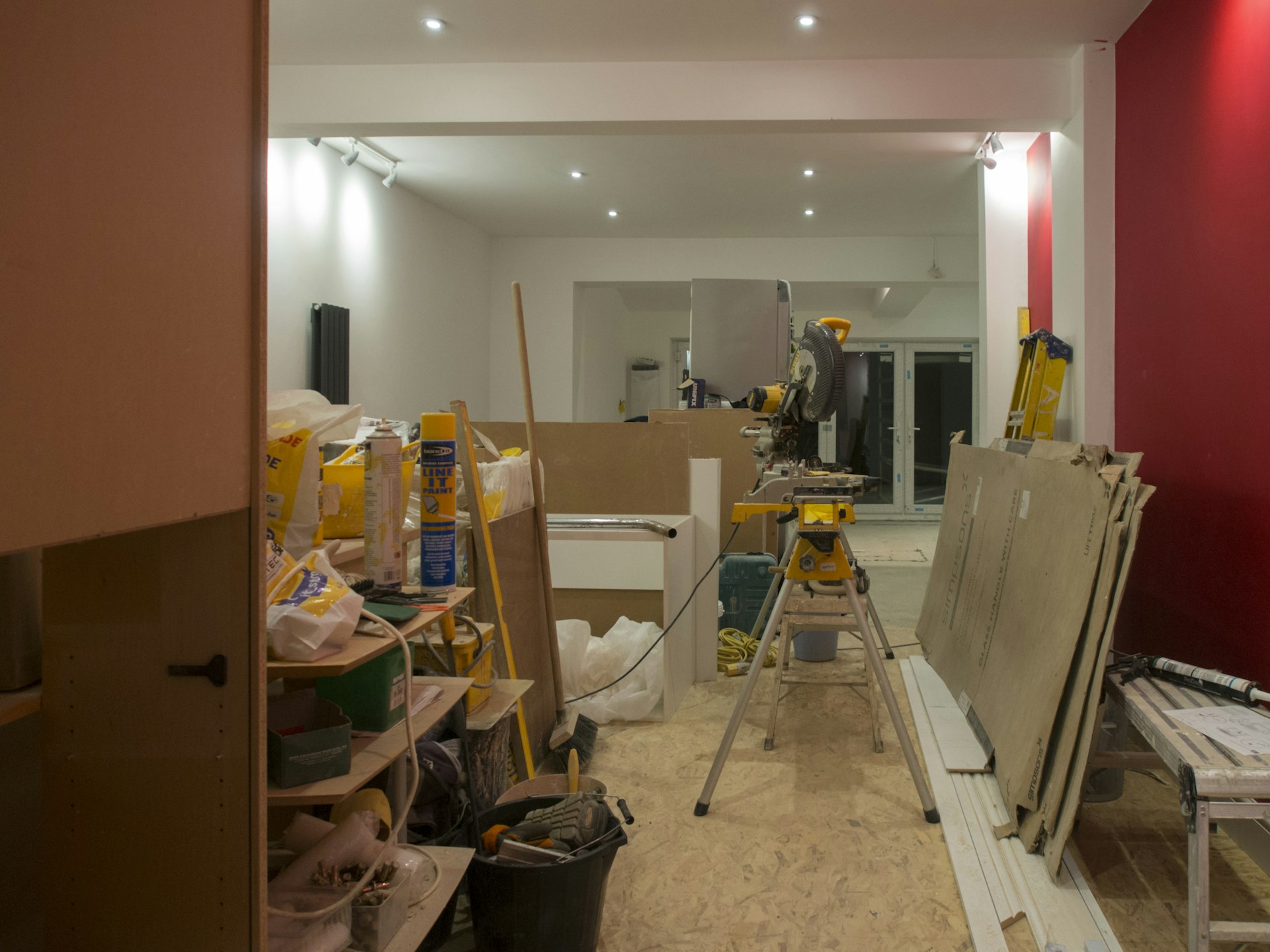
Home drying and dehumidifying in Peoria uses air movers to push dry air across wet surfaces and dehumidifiers to pull the moisture out of the air, while technicians take daily readings until walls, cabinets and the slab reach normal dry levels. Most clean-water jobs take three to five days.
Structural drying is a controlled process, not just fans. Technicians measure how wet each material is, then set up air movers to move air across wet surfaces and dehumidifiers to remove the moisture that evaporates. Small holes behind baseboards or at the bottom of drywall let dry air into wall cavities. Cabinets may have toe kicks removed so air can reach underneath. Each day, readings are taken and equipment is moved or removed as areas dry.
Moisture readings on every wet material.
Air movers and dehumidifiers placed.
Daily readings logged and shared.
Equipment removed when readings match dry areas.
Odor days after a leak.
Walls that give when pressed.
Cupping or lifting boards.
Bubbles near the floor.
Bottoms puffing or delaminating.
Water on the floor in Peoria right now? Call (623) 887-7014 for a local provider.Open 24/7 · Talk to a local provider in Peoria
Call 24/7 (623) 887-7014Peoria's outdoor air is dry most of the year, which helps, but water trapped under tile, inside walls and in the slab does not dry on its own in time to prevent damage. During monsoon season the humidity rises and drying slows. Without proper equipment, materials can stay wet long enough for mold to start.
If you already see growth, see mold removal after leaks.
Leave the equipment running and keep interior doors open as directed. Turning units off to save on noise or power can add days to the job.
Drywall soaked by dirty water, swollen particleboard cabinet bottoms, wet insulation and carpet pad usually cannot be dried and are removed. Clean-water materials caught early often can be dried in place.
Water heater leaking in the garage? Talk it through on the phone.Open 24/7 · Talk to a local provider in Peoria
Call 24/7 (623) 887-7014
Equipment set and baseline readings.
Readings and adjustments.
Units removed as areas dry.
Documented for insurance.
Warm spot on the tile and a high water bill? Ask about a slab leak.Open 24/7 · Talk to a local provider in Peoria
Call 24/7 (623) 887-7014| Equipment | What it does | Notes |
|---|---|---|
| Air mover | Blows air across wet surfaces | Placed at angles along walls |
| LGR dehumidifier | Pulls moisture from the air | Works well in normal home temperatures |
| Desiccant dehumidifier | Dries in cooler or tight spaces | Used for dense materials |
| Floor drying mats | Pull moisture from wood floors | Used when wood can be saved |
| Factor | Why it matters | What to ask on the call |
|---|---|---|
| Area affected | Rooms and how far the water spread | Which rooms are wet? |
| Water category | Clean, grey or sewage | Which category is this? |
| Materials removed | Baseboard, drywall, pad, cabinets | What can dry in place? |
| Drying days | Days the equipment runs | How will readings be shared? |
| Equipment count | Number of units and days | How many units are needed? |
The sooner drying starts, the less has to be removed. Calls to (623) 887-7014 are answered 24 hours a day so equipment can be set up the same day.
Water on the floor in Peoria right now? Call (623) 887-7014 for a local provider.Open 24/7 · Talk to a local provider in Peoria
Call 24/7 (623) 887-7014Do not cover wet floors with plastic or put rugs back on damp carpet. Trapping moisture can lead to mold and odors.
Before home drying & dehumidifying work in Peoria, ask for the company's Arizona Registrar of Contractors license number and check it with the Arizona ROC license lookup. Plumbing and roofing repairs must be done by contractors licensed in those trades. Ask whether the technicians hold IICRC certification and ask for proof of liability insurance before anyone starts cutting or setting up equipment.
Drying is the step of water damage restoration in Peoria that decides whether materials can be kept or must be replaced.
Water heater leaking in the garage? Talk it through on the phone.Open 24/7 · Talk to a local provider in Peoria
Call 24/7 (623) 887-7014Small holes behind baseboards or near the bottom of drywall let dry air into the wall cavity, so the drywall can often stay. The holes are covered when the baseboards go back on, and nobody sees them.
Water that slipped under tile and into the setting bed dries slowly. Dehumidifiers lower the humidity around it, and air movers keep the surface dry so moisture keeps moving up. Removing toe kicks under kitchen and bathroom cabinets lets air reach the floor beneath them.
Air movers and dehumidifiers are loud and draw power. Ask the provider which circuits they will use so breakers do not trip, and plan for a few noisy days. The equipment is removed as soon as each room reads dry.
Warm spot on the tile and a high water bill? Ask about a slab leak.Open 24/7 · Talk to a local provider in Peoria
Call 24/7 (623) 887-7014Call your insurer or agent once the water is stopped and the house is safe. Ask whether they want an adjuster to see the damage before drying starts, keep every receipt and ask the provider for daily photos and moisture readings. A clear record of when the home drying started, what caused it and how the home was dried makes the claim faster and harder to dispute.
Plenty of Peoria homes are rentals, from older houses near Old Town to newer homes in the north. Renters should report home drying to the landlord or property manager right away, in writing, with photos and the time it was found. The building is usually the owner's job and belongings are covered by renters insurance. Owners who start drying the same day nearly always spend less on repairs.
For home drying, ask how soon the provider can be there, what they will measure, whether they will check inside walls, under cabinets and below flooring, how many days of drying they expect and how the price is worked out. Ask whether they can bill your insurer directly and who handles rebuilding. Clear answers on the phone usually mean clear communication on the job.
Water on the floor in Peoria right now? Call (623) 887-7014 for a local provider.Open 24/7 · Talk to a local provider in Peoria
Call 24/7 (623) 887-7014With home drying, most clean-water jobs in Peoria take three to five days of drying once the water is out, a little longer when it soaked into cabinets, under tile or into a wall cavity that cannot be opened. Rebuilding is a separate step that starts only when readings show the materials are dry. Ask the provider for a rough timeline on the first visit so you can plan around the noise and the equipment.
With home drying, the things that raise the bill are the same across the city: how long the water sat before anyone found it, whether it was clean or dirty, how many rooms it reached and whether cabinets, wood floors or the slab under tile got wet. A quick call and a fast shut-off are the cheapest parts of any job, which is why it pays to know where your main valve is before you need it.
Dealing with home drying right now? Call (623) 887-7014. An independent local provider answers 24 hours a day, explains the first steps on the phone and can usually be at a Peoria address the same day.
Water heater leaking in the garage? Talk it through on the phone.Open 24/7 · Talk to a local provider in Peoria
Call 24/7 (623) 887-7014Ask the provider to share the daily moisture readings and photos. They show the drying is working, they tell you when repairs can start and insurers often ask for them.
Peoria's outdoor air is very dry for most of the year, which helps, but it does not reach inside a wall cavity, under a cabinet or into the concrete slab. Inside the house the AC keeps air moving, but not across the wet surfaces that need it most. That is why technicians place air movers at specific angles and use dehumidifiers sized to the room. In August, when monsoon humidity rises, dehumidifiers work harder and drying can take a day longer than it would in spring.
In Peoria's dry air it helps a little, but not enough for walls and slab.
Usually three to five days for clean water.
No. It works best running continuously.
Readings compared to dry areas of the house.
Standing water pulled off tile, carpet and plank floors on a Peoria slab, day or night.
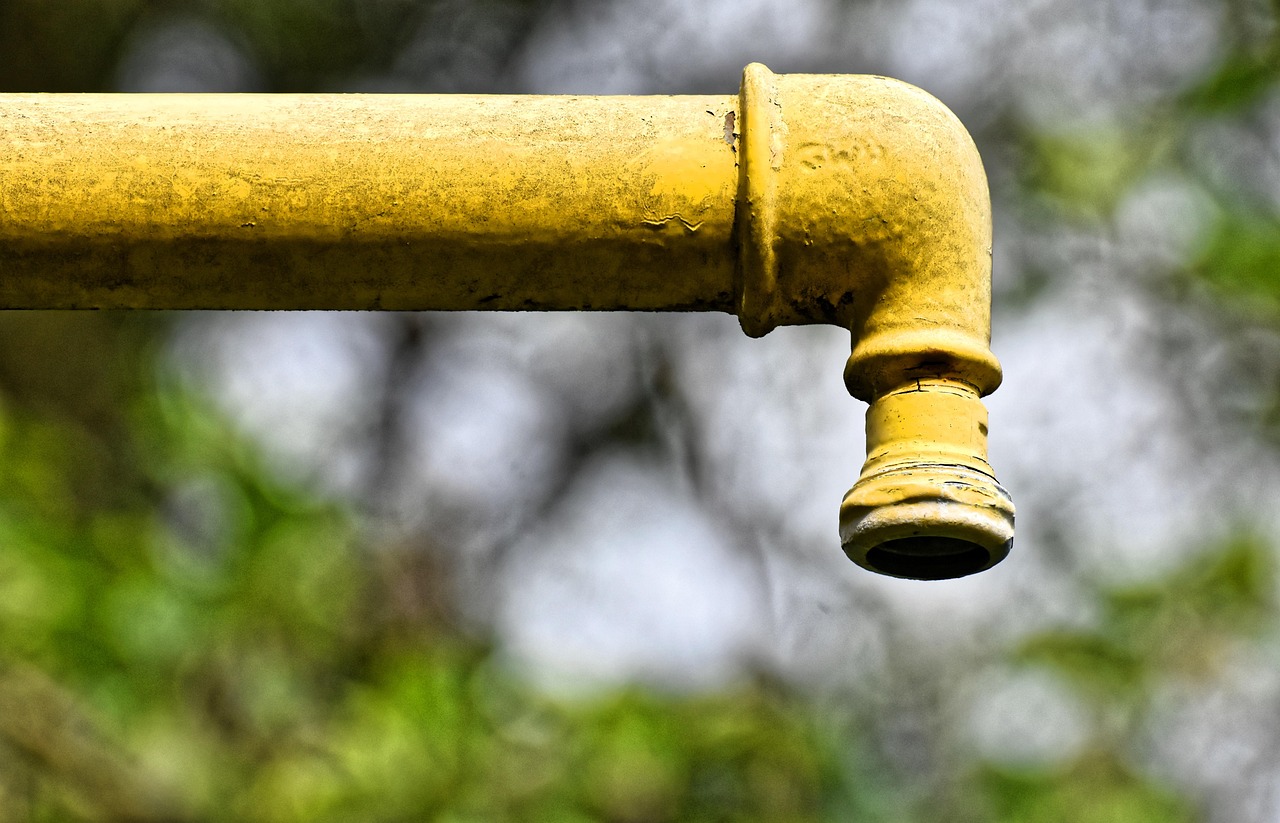
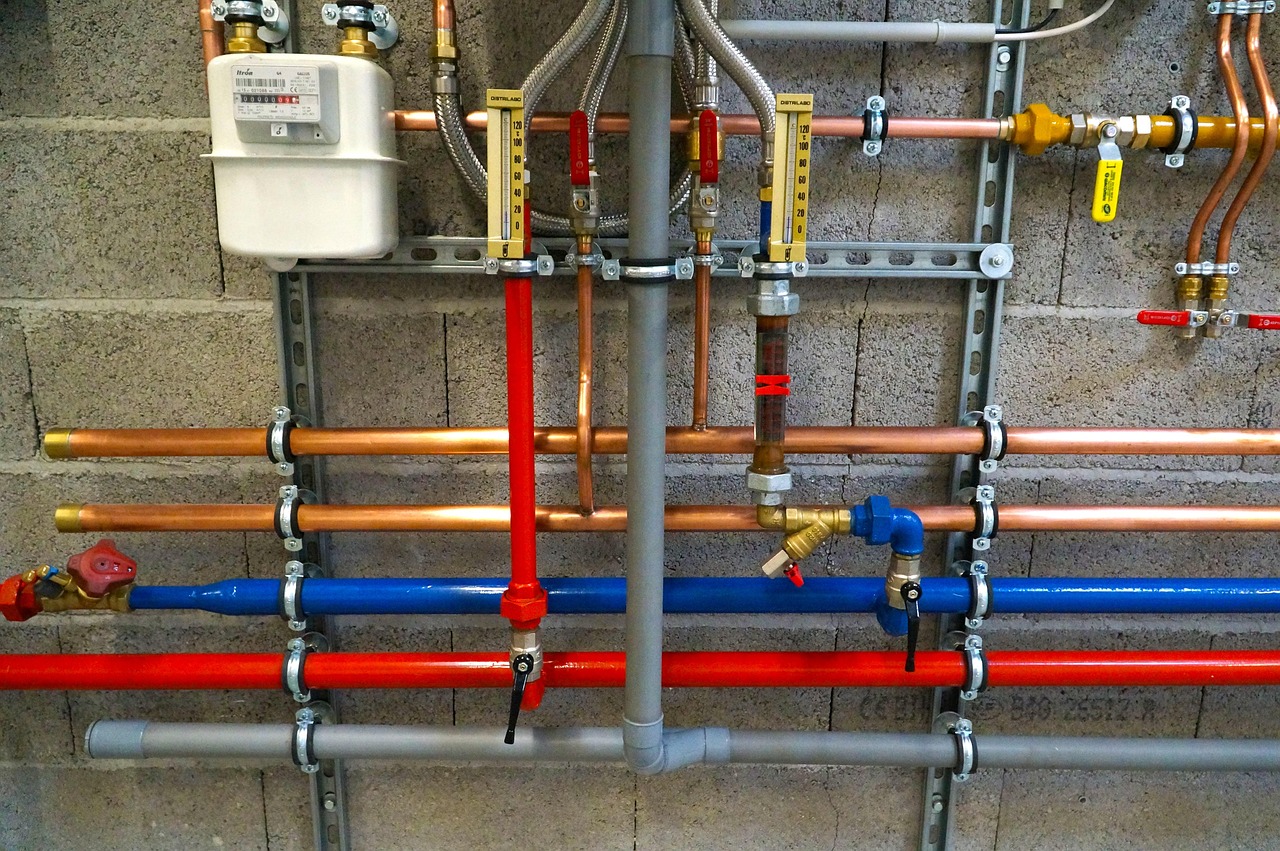
Pinhole copper, gray polybutylene and PEX fitting leaks dried out of walls and floors.
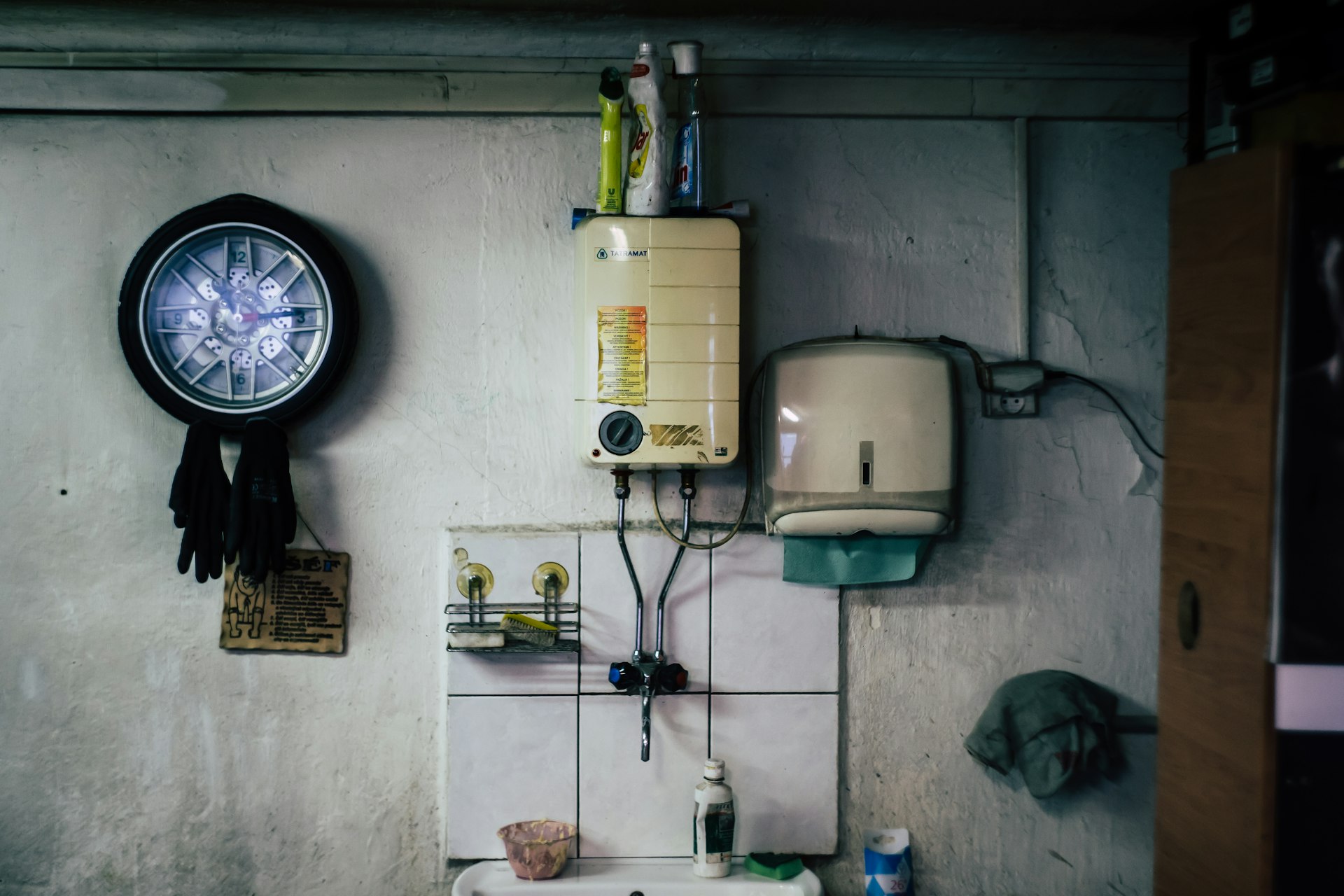
Water from a line under the foundation removed from tile, baseboards and cabinets.
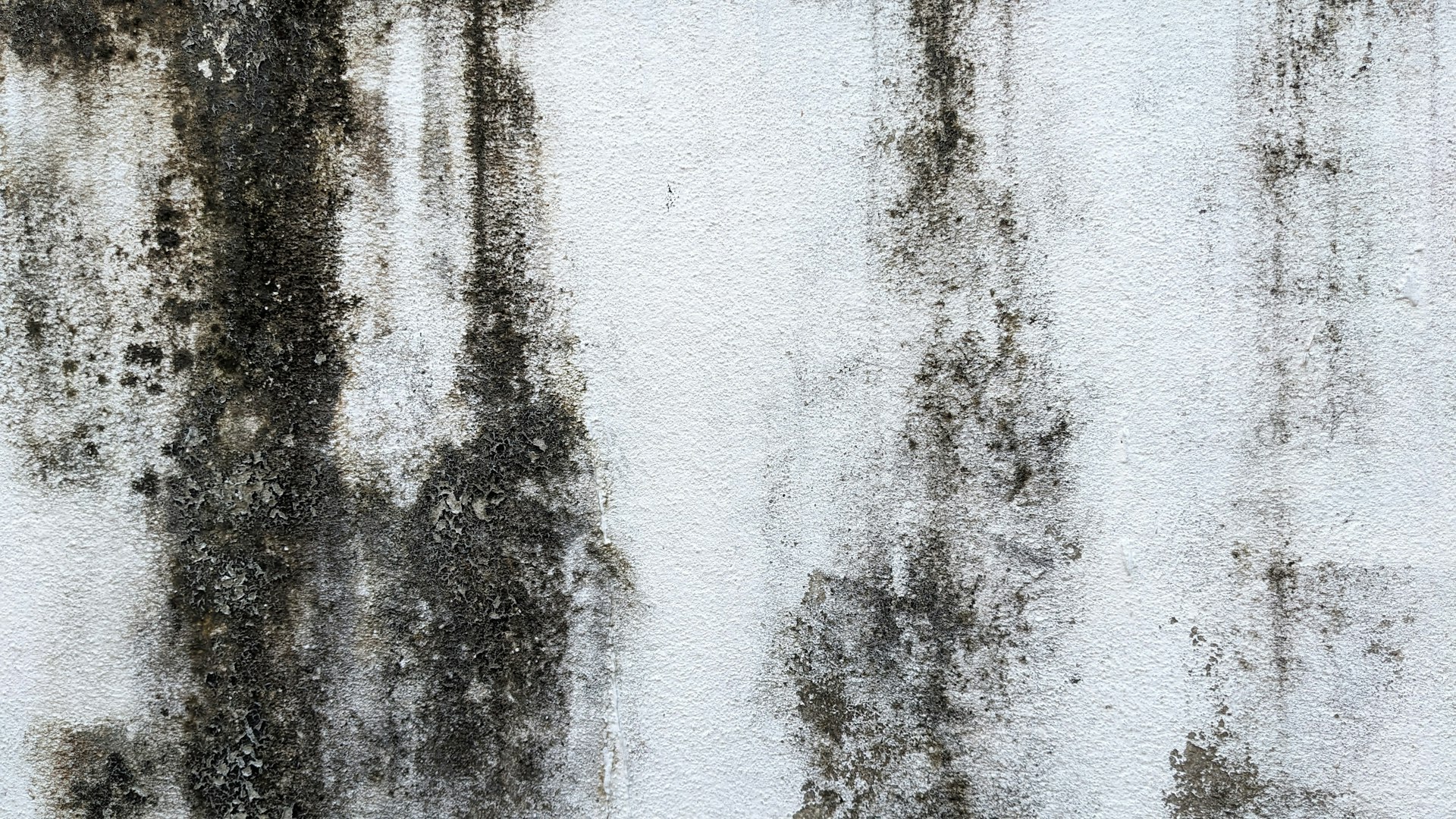
Storm water through tile roofs, flat roof sections and sliders dried out of ceilings.
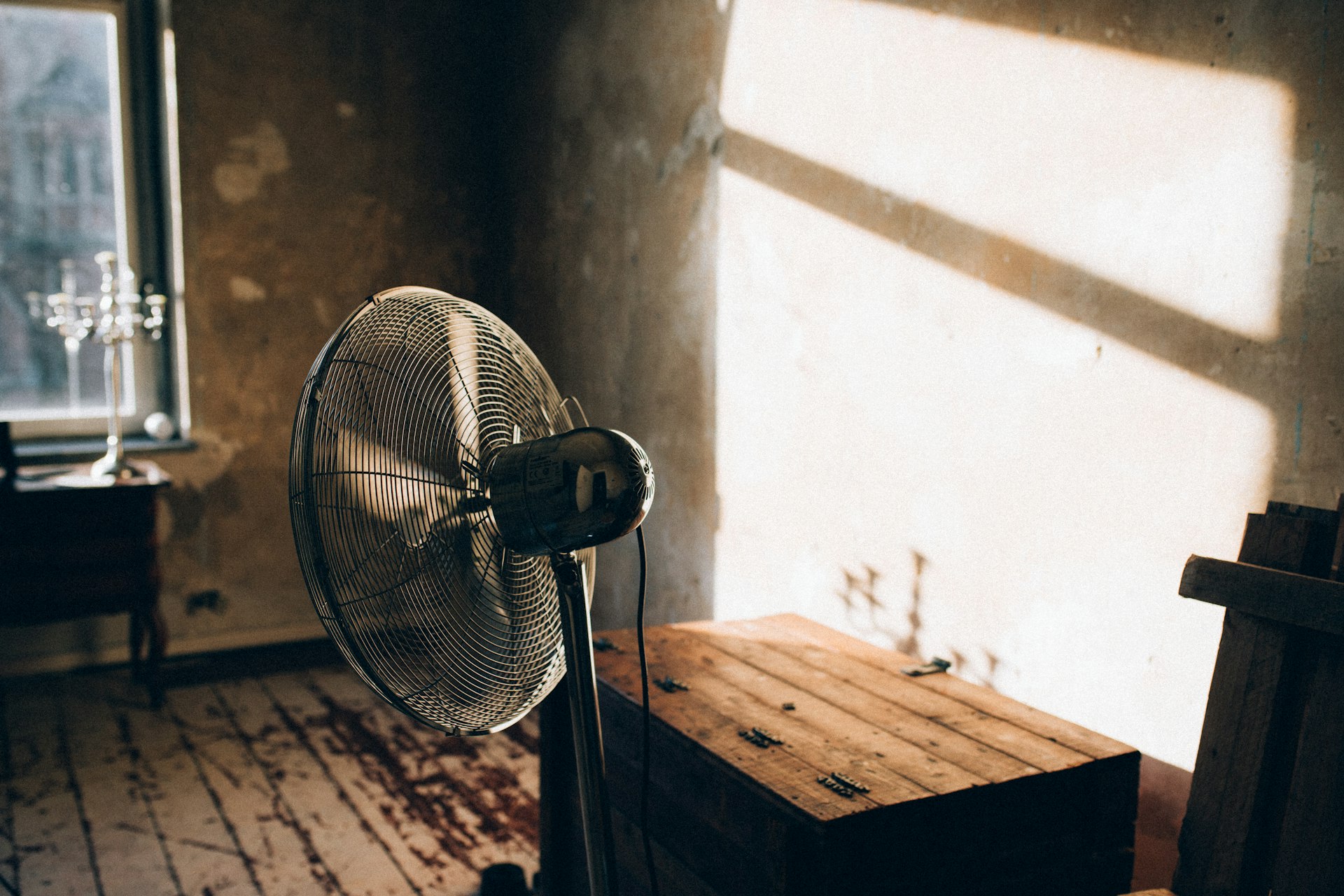
Failed tanks in garages and closets, washer hoses and AC overflows cleaned up.
Mold from a hidden leak contained, removed and the moisture source corrected.
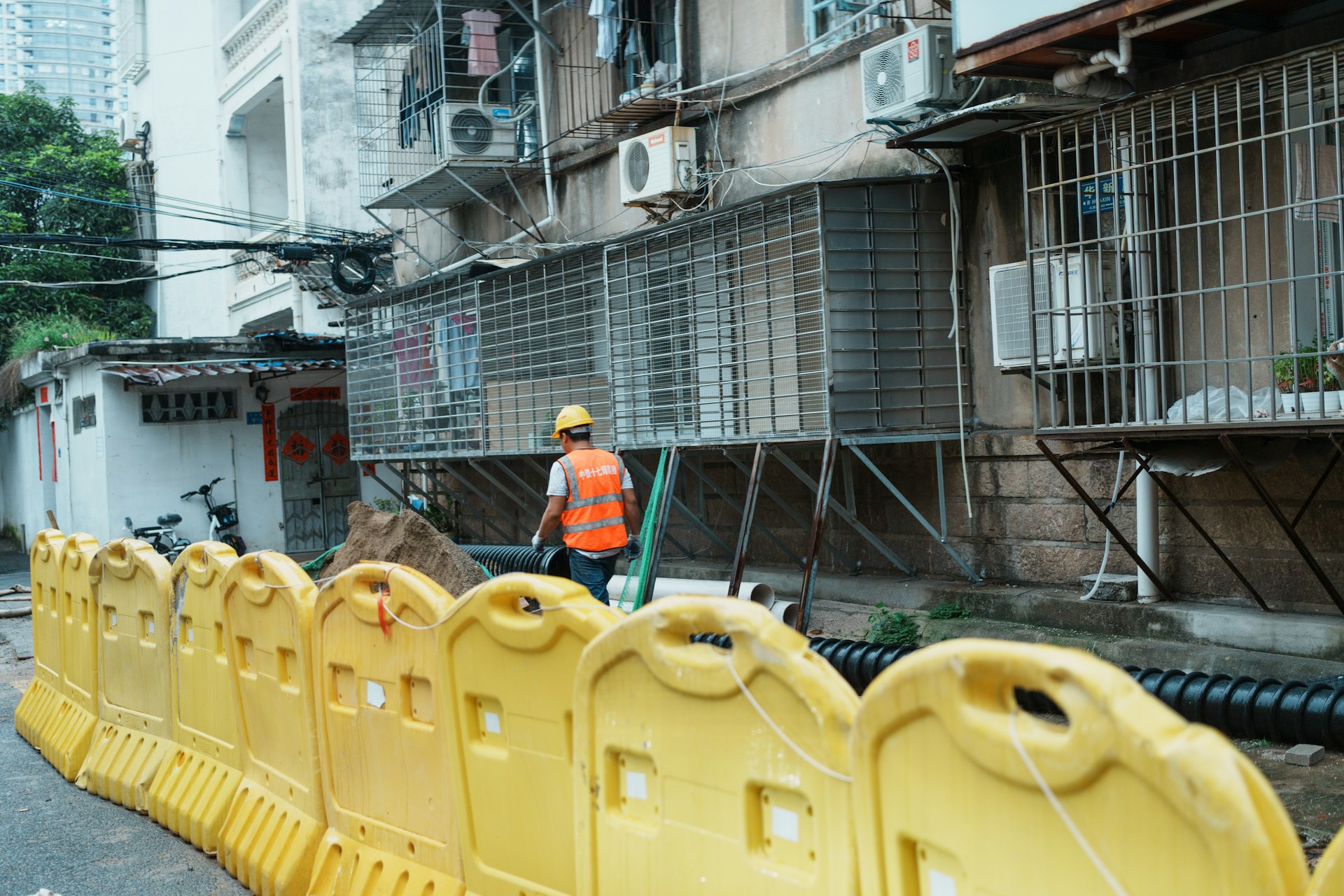

Representative photos of the kind of work local providers handle.
Talk to a local provider
One call connects you with an independent restoration company that works across Peoria, from Old Town to Vistancia. They explain the plan and how the price is set before anything starts.
(623) 887-7014